DRUG SCREENING

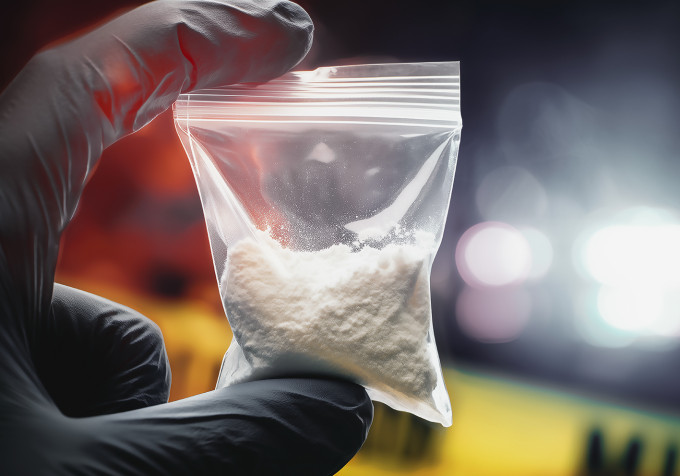
Drug Screening systems are used to detect and identify narcotics and controlled substances during security inspections. These technologies support security and enforcement personnel by enabling rapid analysis of suspicious materials, residues, or samples without the need for intrusive handling or laboratory based testing.

Drug screening is typically applied as a targeted inspection measure, either during secondary screening or as part of a layered security process. The systems support operational decision making in environments where the presence of illicit drugs poses legal, safety, or security risks, and where timely identification is critical.
 

DRUG SCREENING

Operational Capability Overview

Purpose, Application, and Risk Environment

Purpose: Drug Screening systems are deployed to support the detection and identification of narcotics and controlled substances during security inspections where visual checks or imaging alone are insufficient.

Application Environments: These systems are used at airports, border crossings, mailrooms, correctional facilities, government buildings, and other security sensitive locations where suspicious substances must be assessed quickly.

Operational Risk Context:  Illicit drugs may be concealed within personal belongings, parcels, cargo, or introduced through supply chains. Manual inspection increases uncertainty and operational delay. Drug screening technologies provide a controlled method to assess potential substances while supporting consistent workflows.

Functional Capability Overview

1. Detection of Explosive Substances 

Supports identification of explosive materials and related compounds during security screening procedures.

2. Non-Intrusive and Controlled Analysis 

Allows analysis of items, samples, or residues without opening containers or introducing unnecessary handling risks.

3. Rapid On Site Decision Support 

Delivers results quickly to support immediate operational decisions and escalation when required.

4. Integration into Layered Screening Processes 

Designed to complement imaging, trace detection, and physical screening as part of a broader security concept.

5. Portable and Flexible Deployment 

Supports use in fixed locations or mobile screening scenarios depending on operational needs.

Technical Overview

TECHNOLOGY CLASSES WITHIN DRUG SCREENING

Drug Screening systems generally fall into several technology classes. These are not tied to specific products, but describe common approaches used to identify illicit substances during security operations.

Trace Detection Systems

Technologies used to detect trace amounts of narcotics on surfaces, objects, or samples.

Material Identification Systems

Analytical systems designed to identify chemical composition and classify substances suspected of containing controlled drugs.

Portable Drug Screening Devices

Compact systems suitable for on-site and mobile deployment during inspections and secondary screening.

Our Range

DRUG SCREENING PRODUCTS