
CHECKPOINT DESIGN
Checkpoint Design focuses on the planning, configuration, and integration of security screening checkpoints to ensure effective detection, smooth operations, and reliable performance in real world environments. Modern screening technologies offer a wide range of capabilities, but no single system can address all threats, operating conditions, or throughput requirements on its own.
unival approaches checkpoint design as a structured process that combines multiple screening technologies, workflows, and layouts based on the specific task, threat environment, and site conditions. The objective is to create checkpoints that are operationally efficient, technically compatible, and suited to the actual use case, rather than copying existing layouts that may not fit local requirements.
Checkpoint Design covers both vehicle checkpoints and people checkpoints, each with distinct operational challenges and performance criteria. Vehicle checkpoints may include trucks, cars, buses, or mixed traffic, while people checkpoints may be deployed in airports, government buildings, prisons, hotels, banks, loss prevention environments, and other controlled facilities.

Operational Capability Overview


DESIGN APPROACH WITHIN CHECKPOINT DESIGN
Checkpoint Design typically follows a structured process that includes:
Requirement Analysis and Consultation
Understanding client needs through detailed dialogue, including operational goals, constraints, and risk environment.
Threat and Risk Assessment
Correlating identified threats with screening objectives to define appropriate detection and control measures.
Concept Development and Equipment Definition
Selecting compatible technologies and defining technical specifications required to address identified risks.
Layout and Workflow Optimization
Designing equipment placement and operational sequences to maximize efficiency and usability.
Implementation Support and Integration Planning
Supporting integration with existing systems and adapting designs to site specific conditions and capabilities.
CHECKPOINT DESIGN
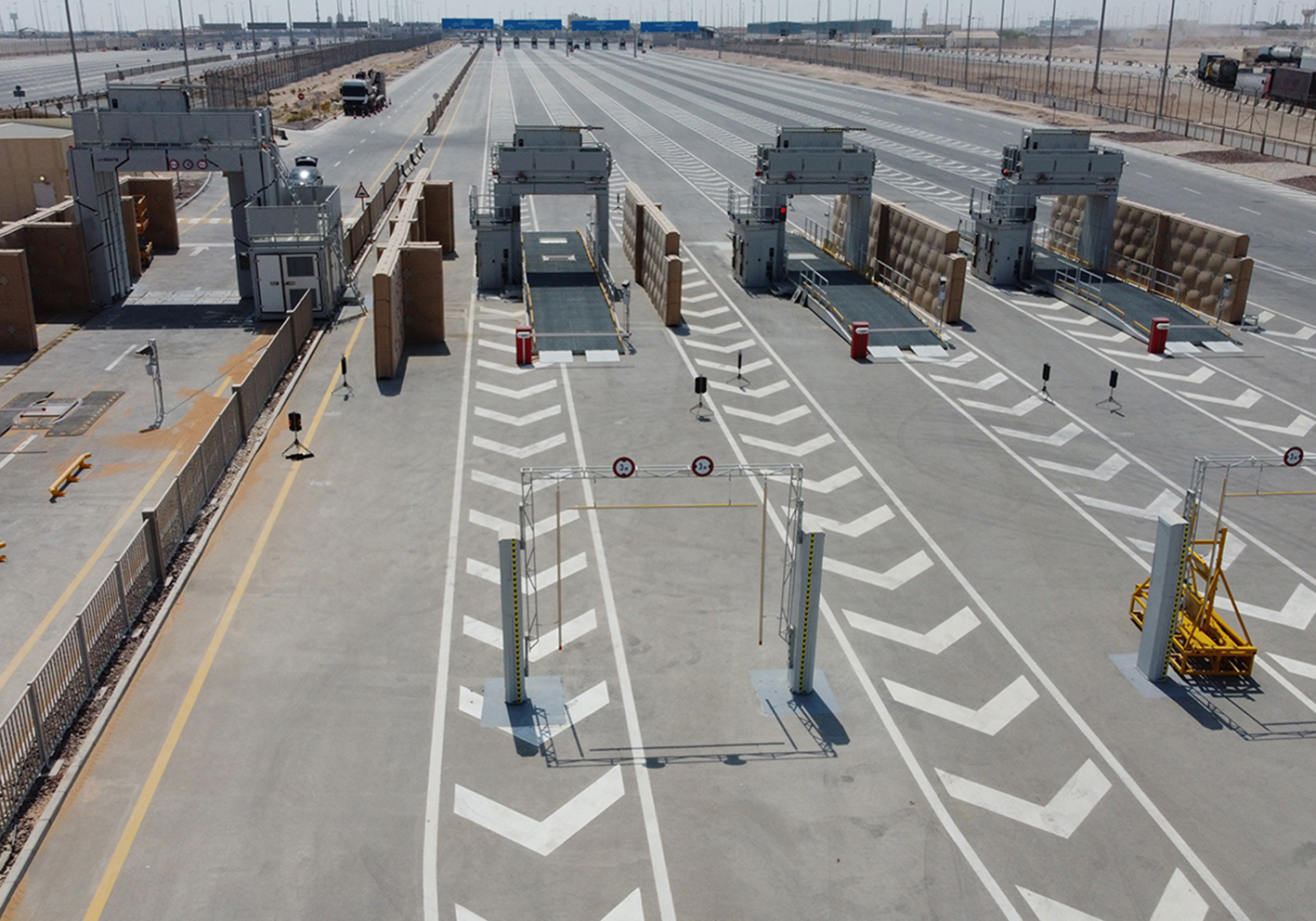
CHECKPOINT DESIGN
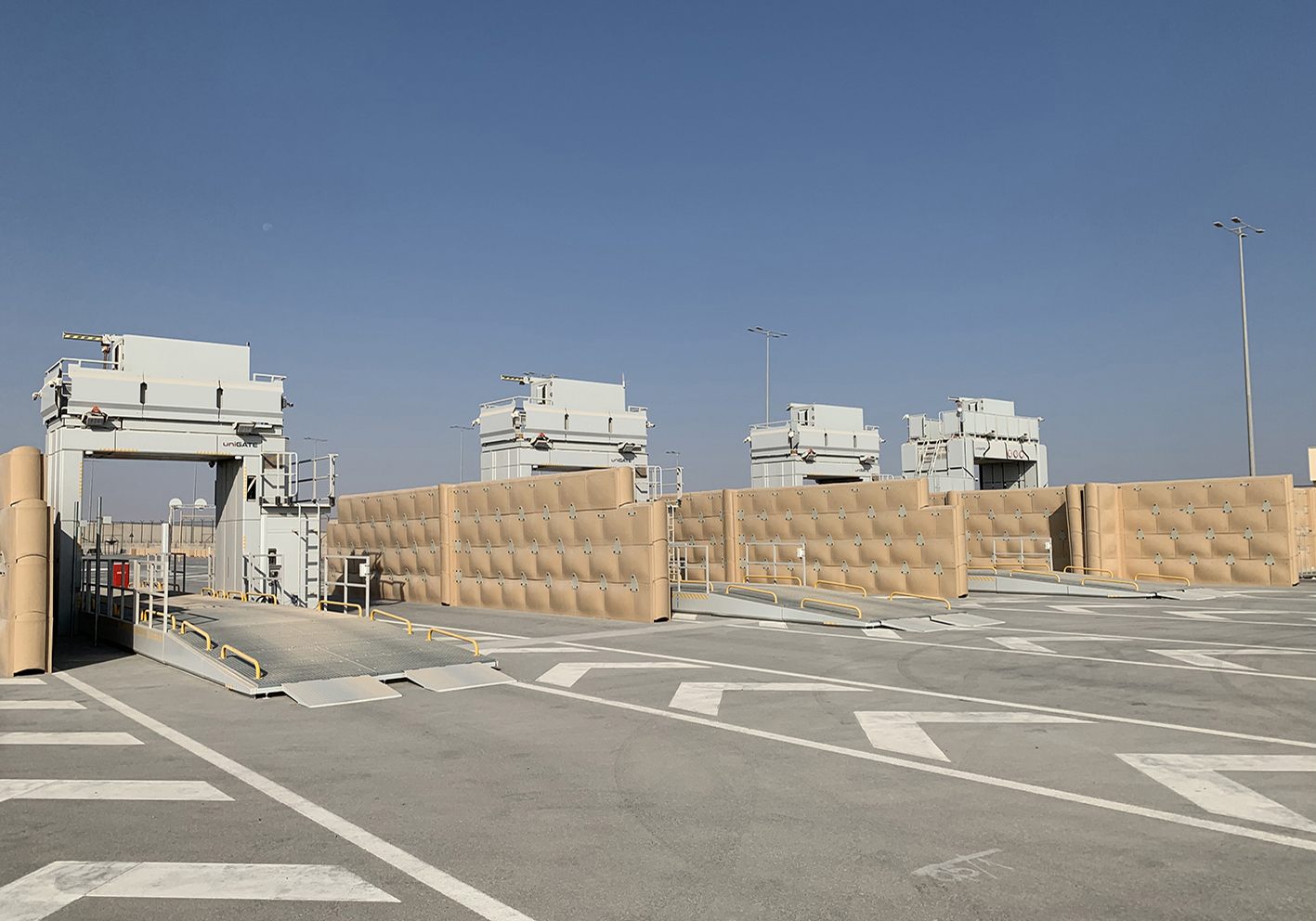
CHECKPOINT DESIGN
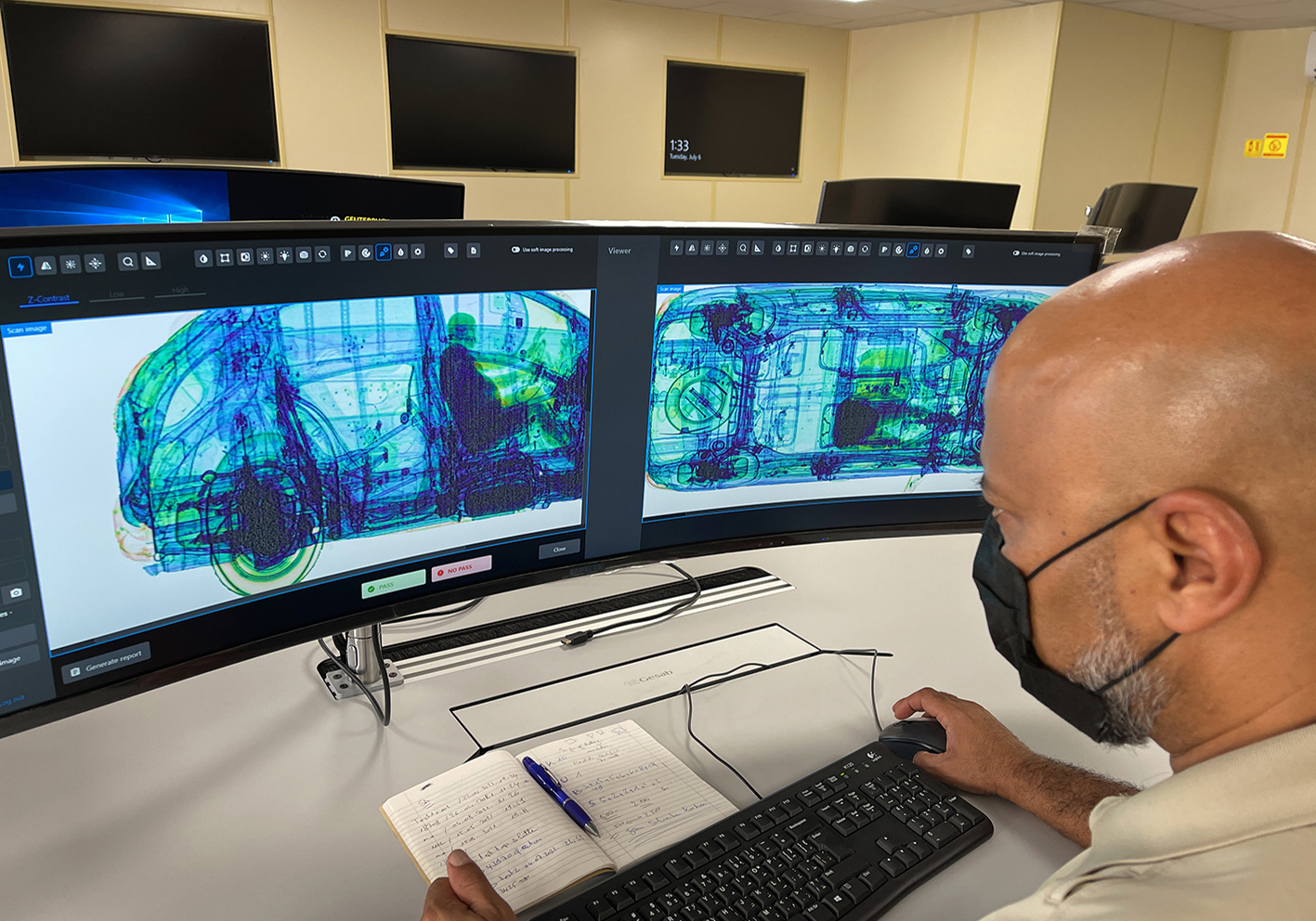
CHECKPOINT DESIGN

CHECKPOINT DESIGN

CHECKPOINT DESIGN


